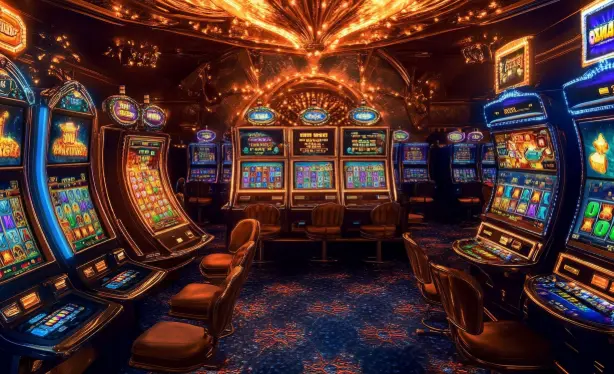
The Global Rise of Casino Museums as Cultural Landmarks
Casino museums have evolved from niche curiosities into major cultural attractions, drawing hundreds of thousands of visitors annually across Europe, North America, and Asia. These institutions preserve the rich heritage of gambling, from antique roulette wheels and hand-carved dice to vintage slot machines and rare poker memorabilia. For enthusiasts and historians alike, a casino museums history guide serves as an essential resource for understanding how gaming culture shaped economies, tourism, and social norms over centuries. 🎰
Monte Carlo: The Crown Jewel of Gaming Heritage
The Monte Carlo Casino in Monaco remains the gold standard for casino museum experiences. Its private collection features original 19th-century gaming tables, archival photographs of Belle Époque high rollers, and the legendary Salle Garnier opera hall. Visitors can trace the evolution of baccarat, chemin de fer, and trente et quarante through curated exhibits. The adjacent Monaco Top Cars Collection and the Prince's Palace add further luxury tourism value, making the principality a comprehensive destination for heritage-focused travelers.
Las Vegas and the Neon Museum: Americana in Full Glow
Las Vegas offers a different narrative—one of reinvention and spectacle. The Neon Museum, often called the Neon Boneyard, preserves iconic casino signs from the Stardust, Desert Inn, and Golden Nugget. Combined with the Mob Museum's detailed exhibits on organized crime's role in casino development, Sin City provides a case study in how gambling tourism reshaped urban identity. These venues attract convention delegates, hospitality researchers, and cultural tourists who seek deeper context beyond the gaming floor.

European Classics: Baden-Baden and Lisbon's Casino Estoril
Baden-Baden's Casino, designed by Friedrich Weinbrenner, stands as Germany's oldest and most elegant gaming house. Its museum wing displays imperial-era chips, letters from Dostoevsky, and ornate chandeliers that survived two world wars. Meanwhile, Casino Estoril in Portugal—famously linked to Ian Fleming's James Bond inspiration—hosts a small but refined collection of espionage-era artifacts and mid-century gaming equipment. These European venues emphasize architectural preservation and literary connections, appealing to luxury travelers and academic researchers.
Asia's Emerging Casino Heritage Sites
Macau's Casino Museum, located near the Lisboa Hotel, chronicles the region's transition from Portuguese colonial gaming dens to the world's largest gambling hub. Exhibits include traditional Chinese lottery tickets, Macanese pai gow tiles, and vintage photographs of the old Central Hotel. In Singapore, the Marina Bay Sands' ArtScience Museum occasionally hosts gambling history pop-ups, though a permanent casino heritage gallery remains under development. These Asian sites reflect the intersection of colonial history, diaspora culture, and modern integrated resort tourism.
Preservation Challenges and Curatorial Standards
Maintaining casino museums requires specialized archival techniques. Humidity control is critical for preserving cellulose acetate dice and paper betting slips. Many institutions collaborate with university conservation departments and gaming industry associations to authenticate artifacts. The Casino Museum Association (CMA) sets voluntary standards for provenance documentation, ensuring that donated items—such as rare Faro dealing shoes or 18th-century French playing cards—carry verifiable ownership histories. This rigor supports both academic credibility and visitor trust. 🃏
Visitor Experience and Educational Programming
Top-tier casino museums now offer interactive kiosks, augmented reality table games, and guided tours led by former croupiers. The Hippodrome Casino in London runs a heritage trail that includes backstage access to its 1900s stage machinery. In the United States, the National Museum of Racing and Hall of Fame in Saratoga Springs integrates parimutuel betting history with thoroughbred racing culture. These experiences cater to diverse audiences: from curious tourists to serious collectors of gambling ephemera.
Planning Your Casino Heritage Tour
For a comprehensive itinerary, begin in Monte Carlo, proceed to Baden-Baden, then cross to Las Vegas and Macau. Each destination offers distinct narratives—European aristocracy, American entrepreneurship, and Asian modernization. Check seasonal opening hours, as some museums close during major poker tournaments or private events. Photography policies vary; flash is typically prohibited near cellulose nitrate film and fragile felt table covers. Always verify ticket bundles that combine museum entry with casino resort tours for maximum value.
Casino museums continue to expand their digital archives, making rare catalogs and oral histories accessible to global audiences. Whether you are a gaming historian, a luxury travel curator, or a curious enthusiast, these institutions illuminate the cultural weight of an industry often misunderstood. 🎲